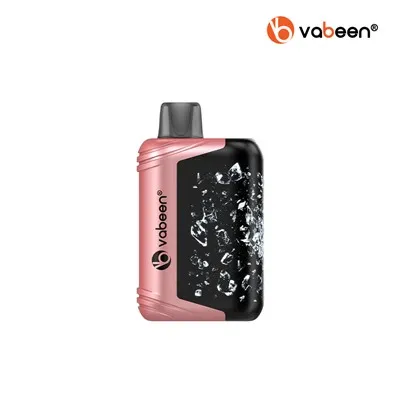


How do electronic cigarettes produce smoke?
Leave a message
The principle of e-cigarette vapor production:
The vapor production process of an e-cigarette is a complex process involving airflow sensing, electrical signal transmission, electrical energy conversion into heat energy, and e-liquid atomization. Here is a detailed explanation of the e-cigarette vapor production principle:
When the user inhales through the mouthpiece, the airflow passes through the airway and through the microphone (also called a pressure sensor) on the circuit board. This microphone senses the change in airflow and generates a corresponding electrical signal. This signal is then transmitted to the microcontroller (MCU), which is the "brain" of the e-cigarette.
After receiving the electrical signal from the microphone, the MCU performs a series of software-defined operations. First, it activates the driving MOSFET, which acts as a switch, controlling whether the battery current flows. When the MOSFET is activated, the battery current flows through the pin and all the way to the atomizer coil.
The atomizer coil is the key component for e-cigarette vapor production; it consists of a heating coil and surrounding materials. When the heating coil is energized, it converts electrical energy into heat energy, causing the temperature of the atomizer coil to rise rapidly. When the temperature reaches the boiling point of the e-liquid, it begins to boil and produce vapor.
Simultaneously, the microcontroller controls the LED lights to provide visual feedback to the user while inhaling. When the user stops inhaling, the microphone returns to its normal signal. Once the microcontroller detects the signal disappearance, it stops driving the MOSFET and LED lights. At this time, the microcontroller also monitors the battery voltage. If the battery has sufficient power, the e-cigarette enters sleep mode; if the battery is low, the LED lights flash as a low voltage warning.