

How Effective Are E-cigarettes For Quitting Smoking?
Leave a message
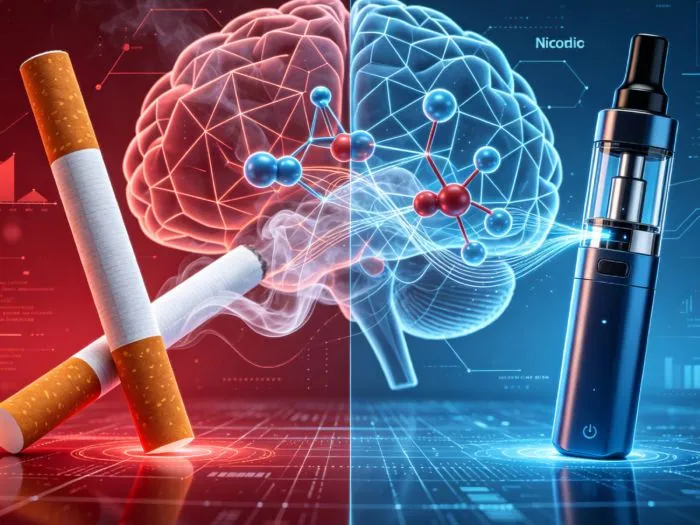
Significant Substitution Effect: E-cigarettes use an electronic heating device to vaporize e-liquid into vapor, simulating the effect of tobacco combustion. This satisfies smokers' needs for the action and sensation of smoking, serving as a substitute for traditional cigarettes and reducing dependence on them.
Reduced Harm Perception: E-cigarette e-liquid is scientifically formulated and contains no tar or other harmful substances found in traditional cigarettes. It produces no unpleasant tobacco odor and no secondhand smoke, making users feel healthier and facilitating the transition from traditional cigarettes to e-cigarettes.
Adjustable Nicotine Intake: E-cigarette cartridges offer different nicotine contents, such as 5% tobacco flavor and 3% mild tobacco flavor. Users can start with a higher concentration and gradually reduce it, helping the body gradually wean off nicotine and achieve the goal of quitting smoking.
Significant Individual Differences: The effectiveness of quitting smoking is influenced by various factors, including the severity of nicotine addiction, willpower and persistence, and adaptation to e-cigarettes. People with mild nicotine addiction, strong willpower, and who can adapt to e-cigarettes may quit smoking within a few weeks; while those with severe nicotine addiction and weak willpower may find it difficult to quit successfully using e-cigarettes. Psychological dependence is difficult to overcome: Smoking is not only a physiological dependence, but also involves psychological and habitual factors. Even if e-cigarettes can satisfy the physiological need for nicotine, users may find it difficult to completely give up the urge to smoke due to habit and psychological dependence.