

Structural Components Of Electronic Cigarettes
Leave a message
What exactly is an e-cigarette? An e-cigarette mainly consists of four parts: e-liquid (containing nicotine, flavorings, and solvents such as propylene glycol), a heating system, a power source, and a filter. It heats and atomizes the e-liquid to produce an aerosol with a specific flavor for smokers to use. Broadly speaking, an e-cigarette refers to an electronic nicotine delivery system, including various forms such as e-cigarettes, hookahs, and hookah pens. Narrowly defined, an e-cigarette specifically refers to a portable e-cigarette that resembles a traditional cigarette.
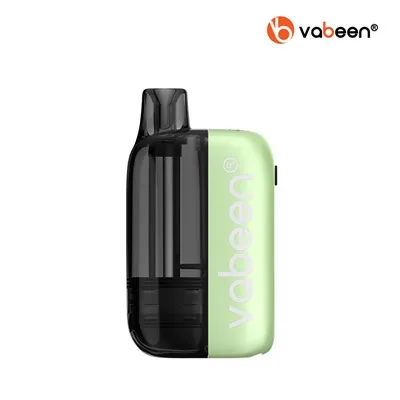
While e-cigarettes come in different styles and brands, they generally consist of three main parts: a cartridge containing the nicotine solution, an vaporizer, and a battery. The atomizer, powered by the battery, converts the liquid nicotine in the cartridge into vapor, giving the user a sensation similar to smoking, achieving the effect of "exhaling smoke." It can even be customized with flavorings such as chocolate and mint.
The e-cigarette itself uses the same basic components: a PCBA board, a rechargeable battery, and various electronic circuits.
Most e-cigarettes use lithium-ion batteries and rechargeable batteries as their power source. Battery life depends on battery type and size, frequency of use, and operating environment. Many different battery charger types are available, such as wall chargers, car chargers, and USB chargers. The battery is the largest component of an e-cigarette.
Some e-cigarettes use an electronic airflow sensor to activate the heating element; inhalation activates the battery circuitry. Manually activated e-cigarettes require the user to press a button and then inhale. Pneumatic systems are more convenient, and manual circuits are generally more stable and produce better vapor. With advancements in hardware and software, some manufacturers are developing fully automated manufacturing processes for e-cigarettes, eliminating manual wiring, soldering, and electronics to achieve higher safety and reliability.
Atomizer: Generally, the cartridge is the mouthpiece. However, some factories, upon customer request, glue the atomizer and cartridge or e-liquid together to create disposable atomizers. This significantly improves the flavor and vapor production of the e-cigarette and ensures more consistent quality, as the atomizer is the most prone to failure; traditional e-cigarettes use a separate atomizer that breaks down within a few days. The e-liquid is filled by professional factory workers, avoiding the problems of overfilling or underfilling, which can cause e-liquid to flow back into the mouth or corrode the battery circuitry. It also holds more e-liquid than regular cartridges and has better sealing performance, resulting in a longer battery life.
This technology is currently possessed by only a very few brands. The atomizer's structure is essentially a heating element that, powered by a battery, heats up the surrounding e-liquid, causing it to evaporate and form vapor, thus creating the "cloud of vapor" effect when inhaled.